We Rescue Dogs, The Complicated Ones!
Welcome to the Canine Welfare Fund blog.

We’re a UK registered charity and dog rescue, run mostly by a bunch of women who apparently looked at our already busy lives and thought:
“You know what we need? More complicated dogs.”
And complicated dogs are very much our thing.
We work with dogs with complex behavioural needs, including dogs with serious bite histories. We also support dogs with complex physical disabilities and medical needs, including puppies born with cleft lips and palates.
Some of the dogs who come to us don’t have a queue of rescues waiting to take them.
Quite the opposite.
For some of our behavioural dogs, by the time we become involved, their options have pretty much run out.
Without intervention, some would be facing euthanasia.
So yes, the work can be difficult.
It can be expensive.
It can be heartbreaking.
It can also be bloody brilliant.
And we wouldn’t be here if we didn’t absolutely love dogs.
Who Are We?
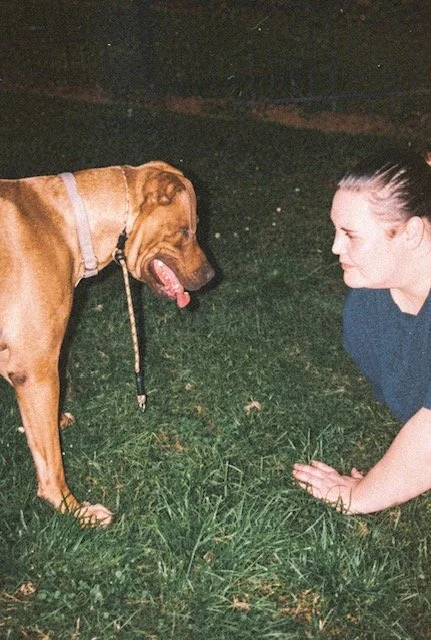
We’re Canine Welfare Fund.
We’re mostly women, we’re definitely dog obsessed and we’re probably not your stereotypical image of a charity.
We laugh a lot.
We swear occasionally.
We’re sarcastic.
We’re pretty blunt when we need to be.
We have opinions.
And an alarming percentage of our conversations involve poo.
But underneath all of that, we care enormously about the dogs we work with.
We’re the people who will sit quietly on the floor waiting for a frightened dog to decide we’re not terrifying.
We’ll celebrate a dog walking calmly past something that used to send them into meltdown like they’ve just won Crufts.
And we’ll happily spend hours discussing one tiny change in behaviour that probably looks completely insignificant to everyone else.
Because with the dogs we work with, the tiny things can be massive.
The Dogs Who Don’t Have Many Options
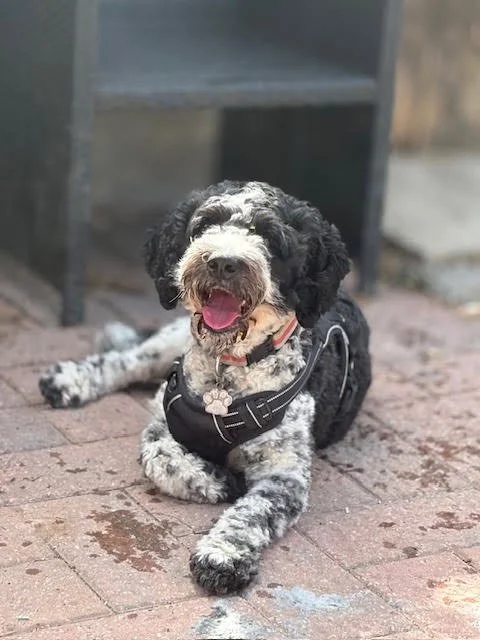
We should probably be very clear about what we mean by “complex behaviour”.
Many of our behavioural cases have bite histories.
Not “he got a bit grumpy once.”
Dogs who have bitten.
Sometimes seriously.
And we’re not going to pretend that doesn’t matter.
It matters enormously.
We don’t believe loving dogs means ignoring dangerous behaviour, making excuses for it or popping a dog into another home and hoping everyone manages to keep their fingers attached.
A dog with a serious behavioural history needs proper assessment, management and professional input.
They need the right environment.
They need time.
And they need people willing to ask a very important question:
Why?
Why did that dog bite?
What happened beforehand?
Were they frightened?
Were they in pain?
Were warnings missed?
Were they guarding something?
Were they completely overwhelmed?
Has the dog spent months telling everyone they’re not coping before finally escalating?
Or is something much more complicated going on?
Understanding behaviour doesn’t mean excusing it.
Explanation isn’t the same as excuse.
It gives us information.
And information helps us make better decisions.
A Bite Isn’t the Whole Dog
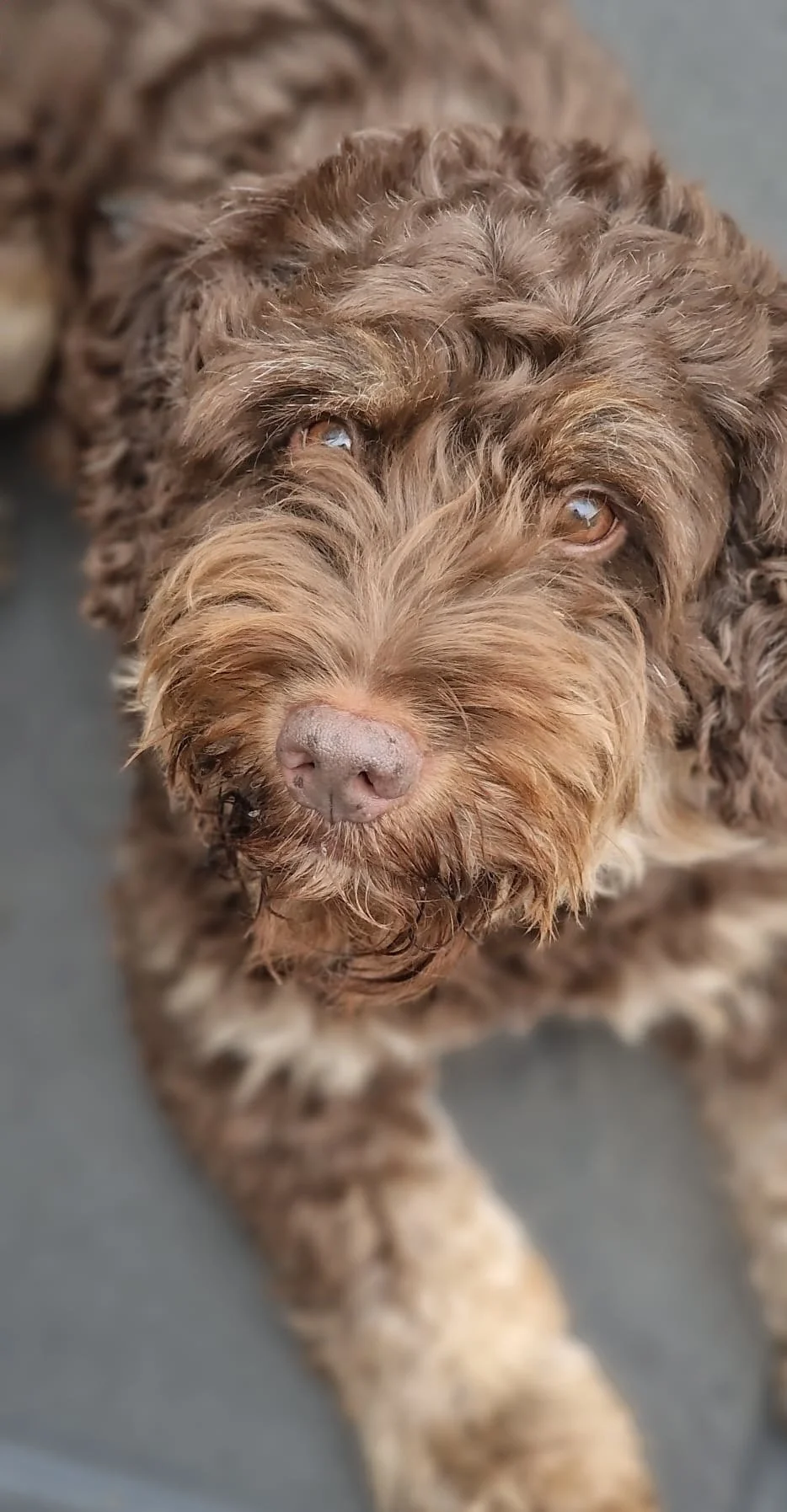
Once a dog has bitten, it’s incredibly easy for that incident to become their entire identity.
They’re “a biter”.
That’s it.
Except that’s often where our work starts.
We want to know about the dog behind the label.
Because sometimes a dog doesn’t need somebody to pretend the bite never happened.
They need somebody experienced enough to acknowledge that it did happen and work out what can realistically be done next.
Some of these dogs can be rehabilitated.
Some may eventually be able to live safely in carefully selected homes.
Others may need lifelong management.
And sometimes there are incredibly difficult decisions to make.
We’re not going to pretend every story has a Disney ending.
That’s not responsible rescue.
We will never knowingly put people or other animals at unacceptable risk simply because we desperately want to save a dog.
But we also don’t believe a dog should automatically lose its life without someone taking the time to properly understand what’s going on.
Sometimes they need something they haven’t had before:
Time. Expertise. The right environment. And a chance.
The Medical and Disability Cases
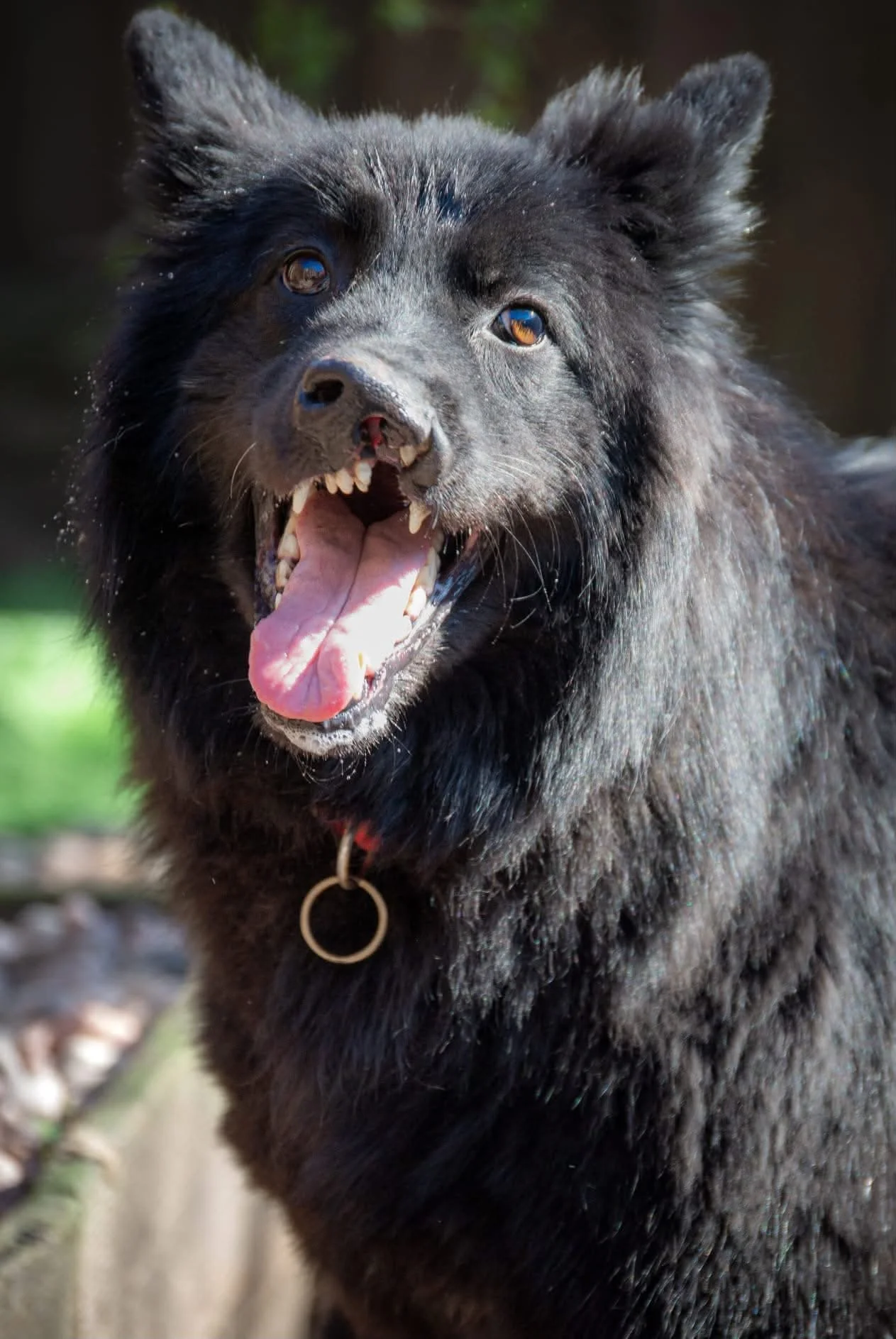
Behaviour isn’t the only complicated bit.
We also work with dogs with complex physical disabilities and medical needs, including puppies born with cleft lips and cleft palates.
These little ones can require an enormous amount of specialist care.
And anyone who has cared for a medically complex puppy will know that “just feed the puppy” can very quickly become a military operation.
There can be specialist feeding, veterinary appointments, monitoring, sleepless nights and a considerable amount of worrying.
But here’s the important bit:
A disability doesn’t automatically mean a dog can’t have a brilliant quality of life.
We look at the individual dog.
What do they need?
What can we do?
What do the veterinary professionals advise?
What will their quality of life look like?
Again, it’s about looking beyond a label and seeing the actual dog in front of us.
You’re Going to Meet ALL of Them
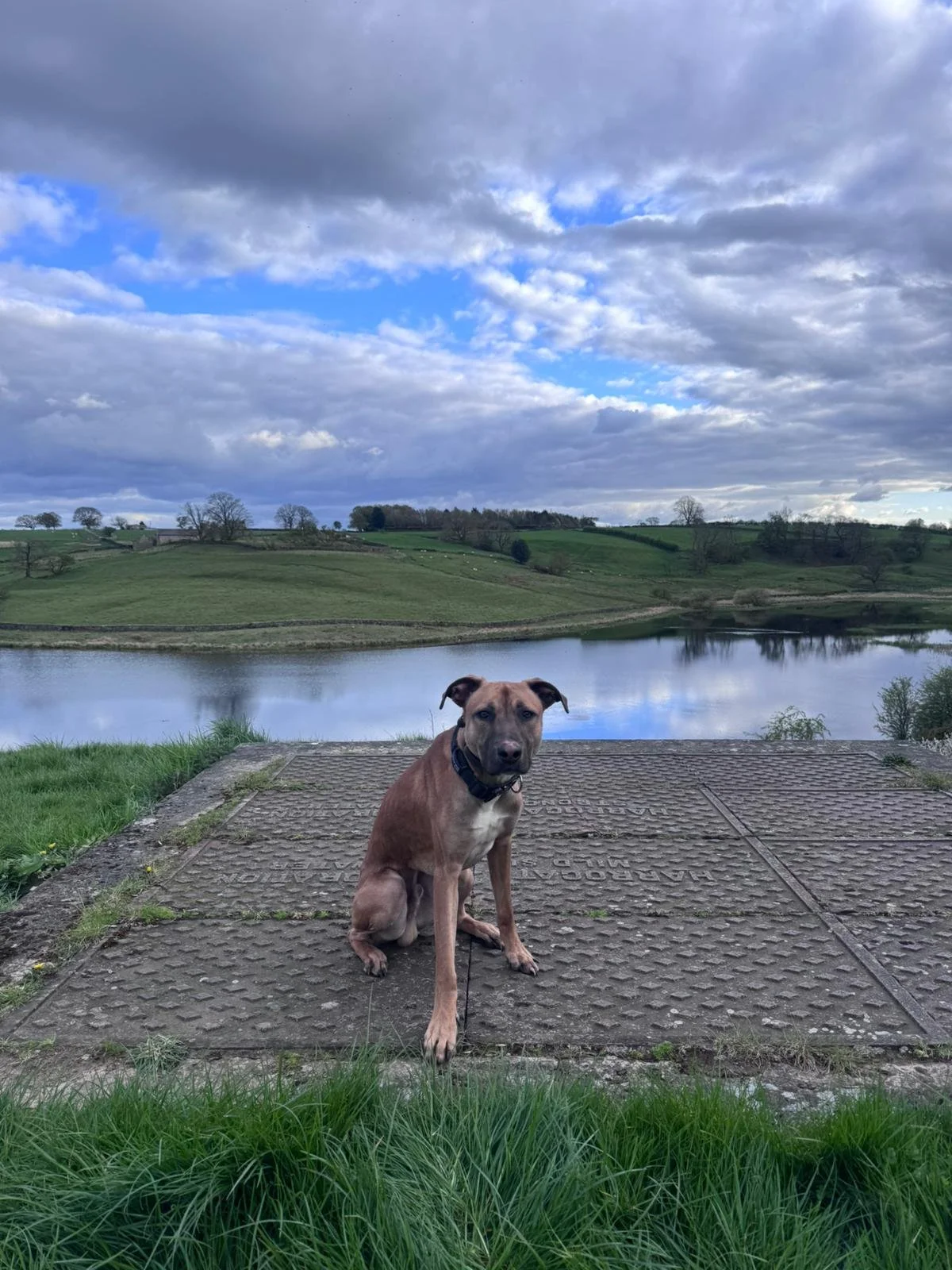
And this is one of the biggest reasons we’ve started this blog.
We’re going to blog the progress of the dogs we work with.
Not just the pretty “before and after”.
We want you to see the bit in the middle.
Because that’s where rescue actually happens.
You’ll meet dogs when they come into our care.
We’ll tell you what we’re dealing with.
We’ll share their progress.
Their training.
Their medical journeys.
Their breakthroughs.
Their setbacks.
And the occasional moment when a dog makes it abundantly clear that the carefully constructed plan we’ve spent three weeks developing is, in their professional opinion, complete bollocks.
For one dog, success might eventually be finding a wonderful new home.
For another, today’s success might simply be allowing somebody to put a lead on.
Or calmly seeing another dog.
Or accepting handling.
Or choosing to approach a person.
Or a medically complex puppy reaching another milestone nobody was certain they’d reach.
Progress looks different for every dog.
We want you to come along for all of it.
So when you eventually see that dog happy, settled and enjoying their life, you’ll know exactly what it took to get there.
Meet Some Bloody Brilliant Trainers
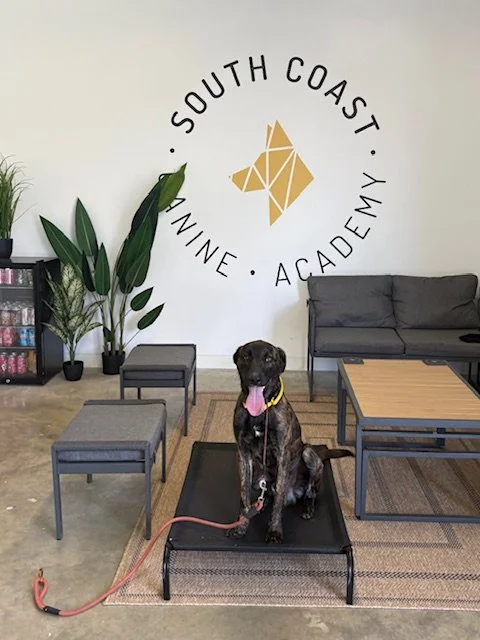
One thing we will never pretend is that we do all of this ourselves.
We don’t.
We’re incredibly lucky to work with some amazing dog trainers and behaviour professionals.
And when you’re working with dogs with serious behavioural issues and bite histories, the people you trust around those dogs matter.
A lot.
These aren’t people who turn up, wave a sausage around and magically “fix” a dog.
They’re professionals who understand behaviour.
They look at the dog in front of them.
They help us understand what’s driving a behaviour, how risk can be managed and what realistic progress looks like for that individual dog.
We want this blog to introduce you to some of them.
We’ll share their work with our dogs, talk about the approaches they’re using and hopefully give you some genuinely useful information about canine behaviour along the way.
Because there are some phenomenal people working in dog behaviour and training.
And frankly, we’d rather you hear from them than someone’s Uncle Barry on Facebook who owned a Labrador in 1987 and has therefore appointed himself an expert in canine behaviour.
We’ll Tell You the Truth
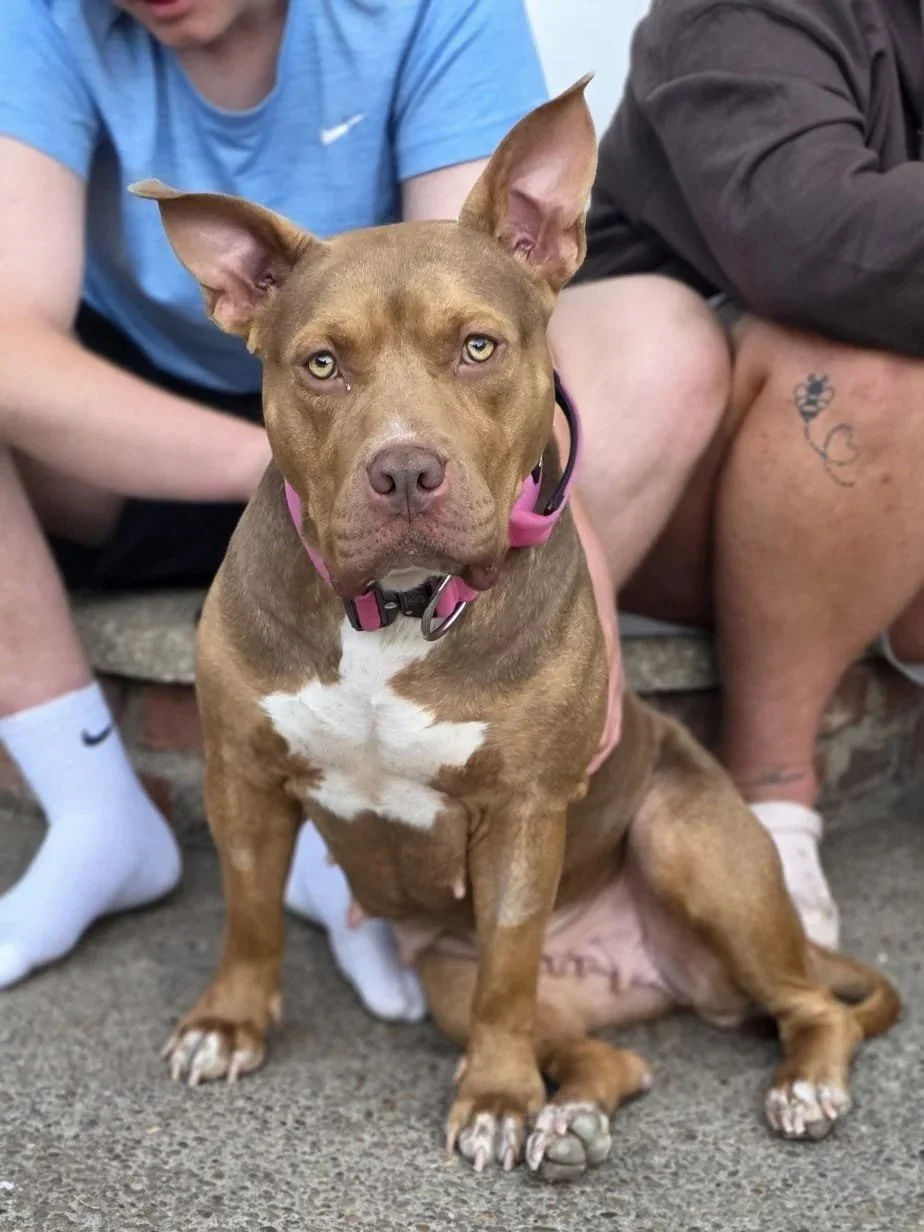
That’s something else you can expect here.
We’re not going to make rescue look pretty when it isn’t.
There will be wonderful stories.
There will be dogs who completely surprise us.
There will be transformations that make all of us slightly emotional, although naturally we’ll deny it afterwards.
But there will also be difficult days.
Plans that don’t work.
Dogs who struggle.
Massive vet bills.
Behaviour that makes us rethink everything.
And sometimes heart breaking decisions.
We think supporters deserve honesty.
And we think honest conversations about rescue, behaviour and welfare ultimately help dogs.
So we’ll celebrate the wins.
We’ll talk about the difficult stuff.
We’ll share what we’ve learned.
And occasionally, we’ll probably have a rant.
Okay.
There will definitely be rants.
We’re mostly women who spend an unreasonable amount of our lives advocating for complicated dogs.
There were always going to be opinions.
You Lot Make This Possible
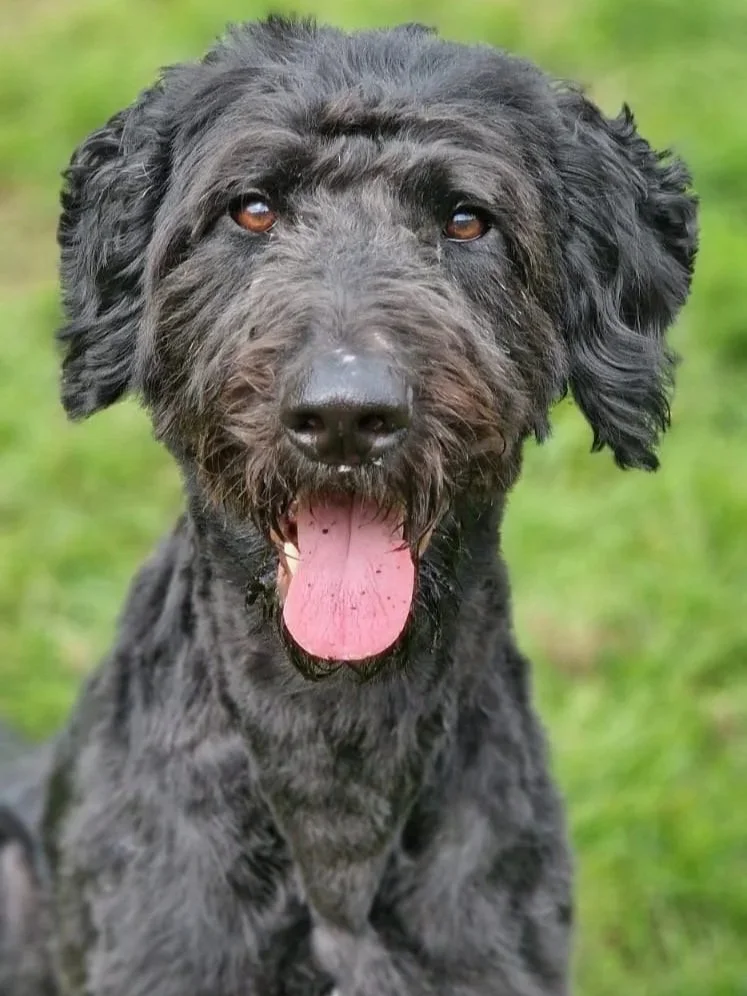
Now for the serious bit.
Complex dogs aren’t cheap.
Veterinary care costs money.
Behavioural assessments cost money.
Training and rehabilitation cost money.
Specialist equipment costs money.
Transport costs money.
And apparently vets still refuse to accept “but look how cute he is” as a recognised form of payment.
Rude, frankly.
Without our foster carers, adopters, trainers, veterinary professionals, volunteers, donors and supporters, we simply couldn’t do this.
Some people help by donating.
Some foster.
Some volunteer.
Some offer their professional expertise.
Some share our dogs and our posts.
And sometimes one share puts a dog in front of exactly the person who needed to see them.
It all matters.
And we are genuinely grateful for every bit of it.
Welcome to the Chaos
So that’s Canine Welfare Fund.
Dogs with complex behaviour.
Dogs with bite histories.
Dogs with disabilities.
Dogs with medical needs.
Dogs whose options are running out.
You’ll meet them here.
You’ll follow their progress.
You’ll meet the trainers and professionals working alongside us.
You’ll see the good days, the rubbish days and the completely ridiculous days.
There will be rehabilitation.
There will be medical journeys.
There will be mud.
There will be vet bills.
There will be strong opinions.
There may be occasional swearing.
There will definitely be dogs.
And behind all of it you’ll find a bunch of women doing everything we can to fight their corner.
We don’t expect every dog to be easy.
Easy dogs aren’t the only ones worth fighting for.
We bloody love dogs.
Even the complicated ones.
Actually…
especially the complicated ones.
Welcome to Canine Welfare Fund.